 Wishlist
What matters—and what you can safely ignore
Not every dust speck or countertop crumb needs heroic effort. Focus on high-impact, visible surfaces and small daily habits that prevent mess from accumulating. Ignore perfection: aim for a consistently livable home rather than deep-cleaning every corner every week.
1. Create a true landing zone at the entryway
A designated drop spot (shoe rack, hooks, a small tray) reduces clutter spreading down hallways. Even inexpensive bins for mail, backpacks and masks cut 10–15 minutes of tidying every day because items never migrate across rooms.
2. Use the two-minute rule for small tasks
If a task takes less than two minutes—hang a coat, wipe a spill, return dishes—do it immediately. Two-minute actions add virtually no burden but stop small problems from becoming time-consuming jobs later.
3. Run a 10-minute nightly tidy
Set a timer and do a quick sweep: fluff pillows, clear counters, stash stray items in a basket. When the timer ends, put the basket away. This routine keeps the home guest-ready and avoids long weekend catch-ups.
4. Keep cleaning supplies where you use them
Store a microfiber cloth and all-purpose spray under the kitchen sink, a squeegee in the shower, and disinfecting wipes in bathrooms. Convenience increases the chance you’ll wipe up soon after a spill.
5. Adopt 'one in, one out' for small items
When you bring a new mug, toy, or decor piece home, remove one similar item. This keeps counters and shelves from slowly overflowing and makes decluttering a daily habit rather than a major project.
6. Prioritize horizontal surfaces
People notice countertops, tables and beds first. Keep these clear by limiting decorative clutter and using a few attractive catch-all trays. A mostly-clear surface dramatically improves the perceived cleanliness of a room.
7. Make quick vacuuming painless
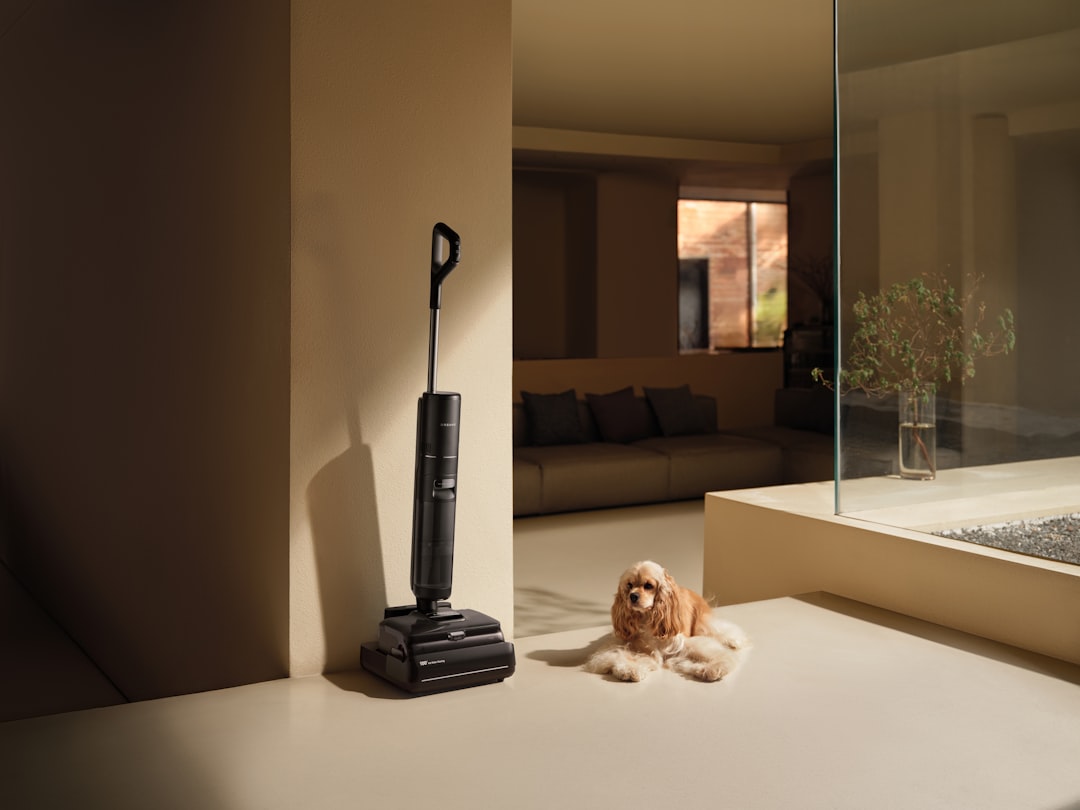
Speed is the point: a lightweight cordless vacuum lets you do short daily runs—three minutes in the entry, living room, or under the table—so crumbs and pet hair never settle in. If you need one, consider a compact cordless option for daily upkeep.

8. Do laundry in small, regular loads
Waiting until baskets overflow makes laundry an all-day task. Split washing into two short cycles per week or run a quick load midweek; folding immediately reduces piles and the re-dirt that comes from leaving clothes around.
9. Contain mess at the source
Place a washable mat under pet bowls, use placemats for kids' crafts, and line car seats with removable covers. Small liners and mats take seconds to shake out or toss in the wash and prevent long-term grime buildup.
10. Use targeted tools, not general clutter
Choose a few multitasking tools that actually get used: microfiber cloths (dry and damp), a squeegee for shower glass, and a small handheld duster for quick touch-ups. Specialty gadgets often sit forgotten; pick compact, versatile items instead.
11. Schedule a weekly “deep 30” for one zone
Rather than deep-cleaning the whole house, spend 30 focused minutes on one area—clean the bathroom on Monday, tackle the fridge on Tuesday. Breaking big jobs into short, scheduled bites prevents procrastination and keeps cleaning manageable.

12. Reduce surfaces that collect dust
Fewer freestanding decor items and streamlined storage (closed bins, cabinet fronts) mean fewer places for dust and clutter to gather. Invest time in small storage solutions—clear labeled bins under beds or stackable pantry containers—to make maintenance easier.
- Is there an entryway spot for shoes and mail?
- Do you have a daily 10-minute tidy slot on the calendar?
- Are basic cleaners stored where you use them?
- Can you run one small laundry load midweek?
- Do you own a quick cordless vacuum or an alternative for speed cleaning?
Keeping your home cleaner with less effort is mostly about stopping mess early and choosing a few high-utility tools and habits. Focus on entryways, horizontal surfaces, and short daily routines that interrupt clutter before it multiplies.
How often should I do the 10-minute nightly tidy?
Every night if possible; even 4–5 nights a week will dramatically reduce weekly cleaning time.
What’s the best quick vacuum option for daily use?
A lightweight cordless vacuum with good suction and an easy-empty bin is ideal for short, frequent cleans—look for models designed for speed and maneuverability.
Can cleaning become less work without hiring help?
Yes—consistent small actions and targeted tools often cut the time spent cleaning each week in half versus infrequent deep cleans.
Which surface should I focus on first in a messy room?
Start with horizontal surfaces: clear counters, tables and beds to immediately improve the room’s appearance and reduce areas where dust accumulates.


