Wishlist

Start with what you use every week
Anyone who cooks a few times a week knows the clutter of single-use gadgets and mismatched tools. The practical core—the few items you reach for day after day—are true kitchen essentials. Below are ten thoughtfully chosen pieces that cover prep, cooking, baking and storage so a single small kitchen can do a lot.
1. A reliable chef's knife and a stable cutting board
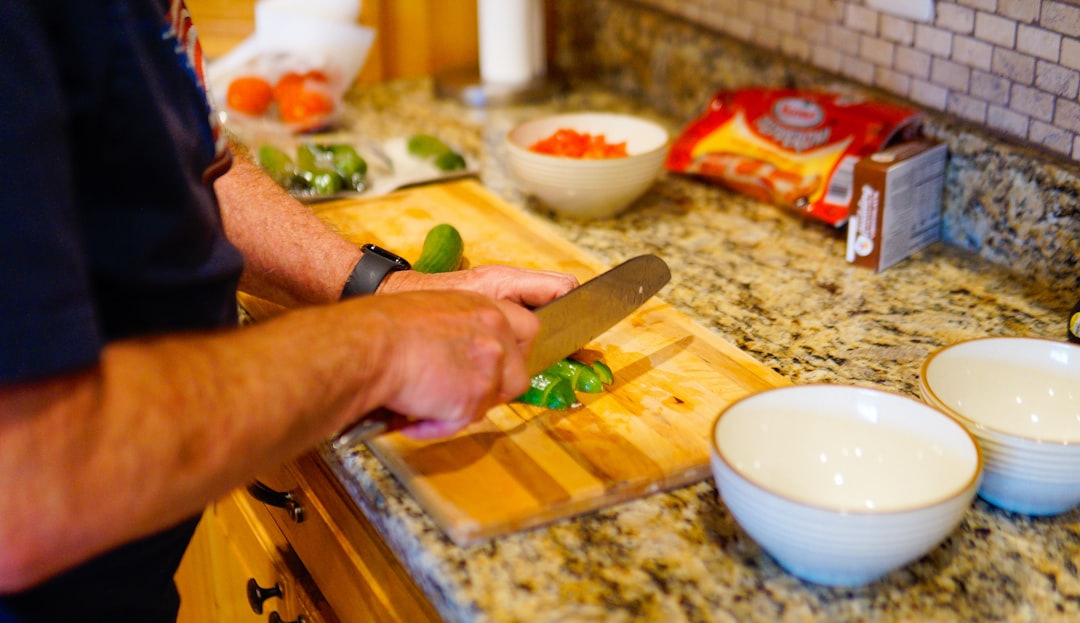
The chef's knife is the workhorse: slice, dice, trim. Invest in one 8–10" chef's knife that feels balanced in your hand; comfort matters more than brand. Pair it with a sturdy cutting board—end-grain or high-density polyethylene—for durability and to protect the blade.
Tip: keep the blade sharp. A dull knife is more dangerous because it slips.
2. A heavy skillet that sears and sautés well
A 10–12" skillet—cast iron or a high-quality stainless steel—is the most versatile pan you can own. Cast iron retains heat and gives a great sear for meat and vegetables; stainless is lighter and easier for acidic sauces. If you only buy one pan, make it this.
3. A medium saucepan and a Dutch oven alternative
A 2–3 quart saucepan handles rice, sauces and reheating. If your budget or storage allows, add a 4–6 quart Dutch oven (enameled or seasoned cast iron): it braises, makes stews, and can go from stovetop to oven.
Trade-offs: if you must choose, a Dutch oven covers more bases than a single saucepan because it doubles for long cooking and oven work.
4. A rimmed baking sheet (or two)
Rimmed baking sheets are not just for cookies. Roast vegetables, bake sheet-pan dinners, and toast nuts on a rimmed sheet. Choose heavy-gauge aluminium or non-stick coated pans to avoid warping and for even heat.
5. A set of mixing bowls that nest and do prep duty
Stainless steel or thick glass mixing bowls in a few sizes make prep, marinating and serving easier. Bowls with lids double as storage. The nesting feature saves cabinet space—look for at least three sizes.
6. Measuring tools and a digital kitchen scale
Measuring cups and spoons are essential for baking and new recipes. A digital kitchen scale, however, is the faster, more accurate way to follow recipes and track portions—especially with inconsistent measuring cup packing.
When precision matters, a compact digital scale prevents recipe errors and reduces dishwashing by allowing you to measure directly into mixing bowls.
7. A basic utensil set: spatulas, spoons and tongs
A silicone spatula and a wooden spoon handle most stirring and scraping tasks without scratching nonstick surfaces. Add a pair of heat-resistant tongs for turning and serving. A small utensil crock keeps them accessible on the counter.
8. A reliable colander and a good storage system
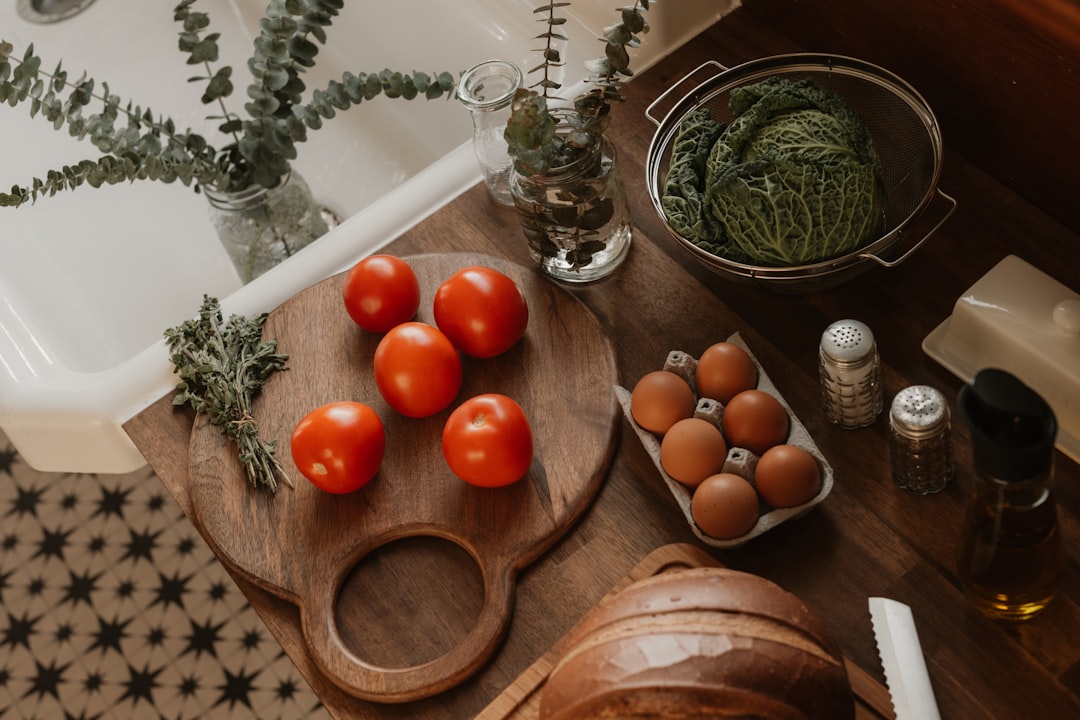
Drain pasta, rinse greens and wash produce in a sturdy colander—metal or heavy plastic. For storage, glass or BPA-free plastic containers in a few sizes stop leftovers from being lost in mismatched lids; clear sides make finding food faster.
9. A baking/cooking thermometer and simple timers
An instant-read thermometer prevents overcooking meat and helps with baking precision; a reliable timer (or a phone app) keeps multi-step cooking on track. These small instruments save food and time.
10. A few multi-use small appliances (choose wisely)
Rather than buying every gadget, pick one or two appliances that fit your cooking habits: a blender for smoothies and sauces, or an air fryer if you use it weekly for quick roasted veggies and reheats. If unsure, borrow or borrow a friend's unit before buying.
For more ideas on tools that actually get used, see 10 Kitchen Tools That Can Make Everyday Cooking Easier.
Putting the essentials together without clutter
When you buy, ask whether an item can do multiple jobs: a Dutch oven and skillet for most stovetop/oven tasks, nested bowls for prep and storage, and a single good knife instead of a full cheap set. Quality over quantity reduces waste and frustration.
- Test the knife in hand before committing to size/weight.
- Choose cookware by how you cook (searing vs. simmering).
- Prioritize a digital scale over extra measuring cups if space is tight.
- Buy storage containers that stack and have interchangeable lids.
- Limit small appliances to two that you use weekly.
A short, durable list of kitchen essentials—knife, skillet, measuring tools, bowls, baking sheet and smart storage—lets you cook most meals well without crowding the cupboards. Buy responsibly: comfort and versatility beat price tags.
Do I need both cast iron and nonstick pans?
Not necessarily. Cast iron covers searing and oven use well; nonstick is convenient for eggs and delicate fish. Pick based on what you cook most, or get one of each if space allows.
Are glass storage containers better than plastic?
Glass is more durable, doesn't stain or retain odors, and is oven-safe; plastic is lighter and cheaper. For longevity and versatility, glass is often the better investment.
How many baking sheets do I need?
Two rimmed baking sheets allow you to roast one tray while another cools or bakes. They’re inexpensive and useful beyond baking—roasting, toasting, and even sheet-pan dinners.
What should I buy first for a new kitchen?
Start with a good chef's knife, a cutting board, a versatile skillet, and measuring tools (including a scale). Those four items cover most daily cooking tasks.