 Wishlist
Most people focus on pattern or color first — the size matters more
Choosing the right area rug size starts with proportion, not prettiness. An undersized rug makes a room feel chopped; an oversized rug can erase a space’s shape. The real decisions are about furniture placement, traffic paths and how you want zones to read visually. Read the short rules below, then use the room-by-room examples to pick a practical size.
What actually matters when picking an area rug size
Before you measure: decide the function. Is the rug meant to anchor seating, add warmth under the bed, protect high-traffic flooring, or define an entry or dining area? That decision drives how much of your furniture should sit on the rug.
- Anchor vs. accent: Anchoring a seating group needs a larger rug than a small accent placed in front of a sofa.
- Full-coverage vs. border: Some rooms benefit from an all-but-edge rug (leaving a consistent floor border); others need just under‑leg coverage.
- Traffic and maintenance: High-traffic areas need durable rugs and tolerances for slightly smaller sizes if the room is narrow.
- Visual balance: The rug should create negative space around furniture—about 8–24 inches of visible floor at the walls is typical depending on room size.
Quick sizing rules you can use anywhere
These are simple, repeatable rules. Measure your room and furniture first.

- Living rooms: aim for a rug that fits at least the front legs of major seating pieces; for a cohesive look, let every piece sit fully on the rug if possible.
- Dining room: choose a rug large enough for dining chairs to remain on the rug when pulled out—add about 24 inches to each side of the table.
- Bedroom: for a king or queen bed, a rug that extends 24–36 inches from the bed’s sides and foot provides a soft landing; runners or smaller rugs can work at the foot only if they’re wide enough for visibility.
- Hallways/entryways: use runners that leave 4–8 inches of floor on each side for proportion; in narrow halls, longer and narrower is normally better than a short, wide rug.
Living room: anchor your seating properly
Goal: the rug should visually unify the seating area.
Three practical options depending on room size:
- All legs on: Best for medium-to-large living rooms. Use a rug large enough that all sofa and chair legs sit on it—common sizes: 8x10, 9x12. This makes the arrangement feel like a single group.
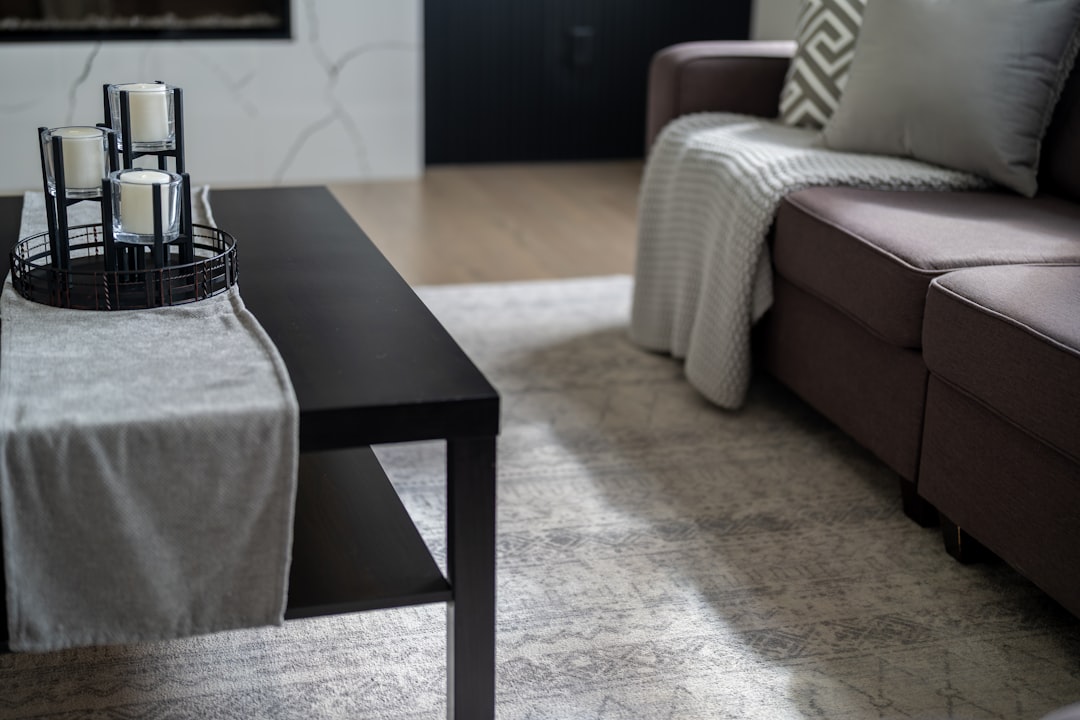
- Front legs on: Works in smaller rooms or when you want some floor edge. Place the rug so the front legs of the sofa and chairs rest on it; leave 18–24 inches of rug in front of the sofa for the coffee table.
- Floating accent: Small rugs (e.g., 4x6) can sit centered under a coffee table only if they don’t create a visual gap between furniture pieces. Avoid this if seating feels disconnected.

Dining room: allow for chair movement
The practical rule: rug should extend about 24 inches beyond each side of the table so chairs stay on the rug when pulled out. For a standard rectangular table that seats six, a common rug size is 8x10; for a round table, match the same extra clearance to keep legs stable. If your dining room is narrow, consider a slightly narrower rug but keep enough clearance for chairs.
Bedroom: comfort where you step
Decide how you want the rug to function at night.
- Large area under bed: For full luxury, choose a rug that extends at least 24–36 inches from the bed sides and foot. Common sizes: queen bed with 8x10; king with 9x12.
- Partial placement: If you have built-in bedside space or limited floor, place two 2.5x4 or 3x5 rugs on either side of the bed so you step onto a soft surface.
- Foot-of-bed runner: A 2.5x8 runner at the foot can work in tight rooms; ensure it’s centered and long enough to show balanced borders on both sides.
Entryway and hallway: choose proportional runners
Entries announce the home; the rug should fit the space without crowding doors. Leave 4–8 inches between the rug edge and the wall or door frame for proportion. In narrow hallways, keep the runner length long enough to reinforce flow; typical widths are 26–32 inches depending on hall width.
Kitchen and utility rooms: prioritize practicality
In kitchens, use runners near sinks and workstations sized so you never step off the rug while working—standard runner widths (2–3 feet) and lengths that correspond to counter runs work well. Choose low-pile, washable or easy-to-clean materials here.
When smaller rugs are acceptable
Small rugs can work as accents or to define sub-zones in large open plans. But be mindful: floating small rugs often make seating look disconnected. If you opt for a small rug, layer it on top of a larger neutral rug to gain texture without losing cohesion.
Common mistakes and how to avoid them
- Avoid rugs that are obviously too small for the seating—if a coffee table sits completely off the rug, rethink placement.
- Don’t choose a rug solely based on available standard sizes—measure the furniture layout first and shop accordingly.
- Watch door clearance and heating vents; a rug that blocks a door swing or vent is a poor fit even if dimensions look right on paper.
- For patterned rugs, place them so primary motifs align with the room’s focal point (for example, centered under the coffee table).
If you want one versatile rug for a living room that anchors seating comfortably without custom sizing fuss, choose a durable 8x10 wool area rug—it usually fits medium living rooms and allows front legs on or all legs on layouts depending on furniture depth.
- Measure room length and width and sketch furniture placement.
- Decide whether the rug anchors the group or is an accent.
- For dining tables, add ~24" per side for chair movement.
- For beds, plan 24–36" extension from sides and foot if using one large rug.
- Check door swings, vents and clearances before finalizing size.
- Consider layering a small decorative rug over a larger neutral if proportions are tight.
Start with the room’s function and furniture layout, then choose a rug size that either unifies the group (all legs on) or connects pieces (front legs on). Use the simple per-room allowances—24" for dining chairs, 24–36" around beds—as your sizing guide and confirm door and traffic clearances before buying.
How big should a rug be under a sofa?
At minimum, the front legs should sit on the rug; ideally, all sofa and chair legs sit on it for a cohesive arrangement. Choose a rug that leaves balanced floor space to the walls.
What rug size works for an 8x10 living room?
An 8x10 rug can work well in many medium rooms—use it to fit all furniture legs or at least the front legs of seating; confirm coffee table placement leaves 18–24" of rug in front of the sofa.
Can you use a round rug in a square room?
Yes—round rugs can soften a square room if they are proportionally sized so furniture either sits on the edge or the rug anchors a specific feature like a round table.
Is it okay to layer rugs?
Layering is a practical solution when standard sizes don’t fit: place a smaller decorative rug over a larger neutral rug to maintain proportion while adding texture.
How much border floor should be visible around a rug?
Typical visible border is 8–24 inches depending on room size—smaller rooms look better with narrower borders, larger rooms can show more floor for scale.


