Wishlist
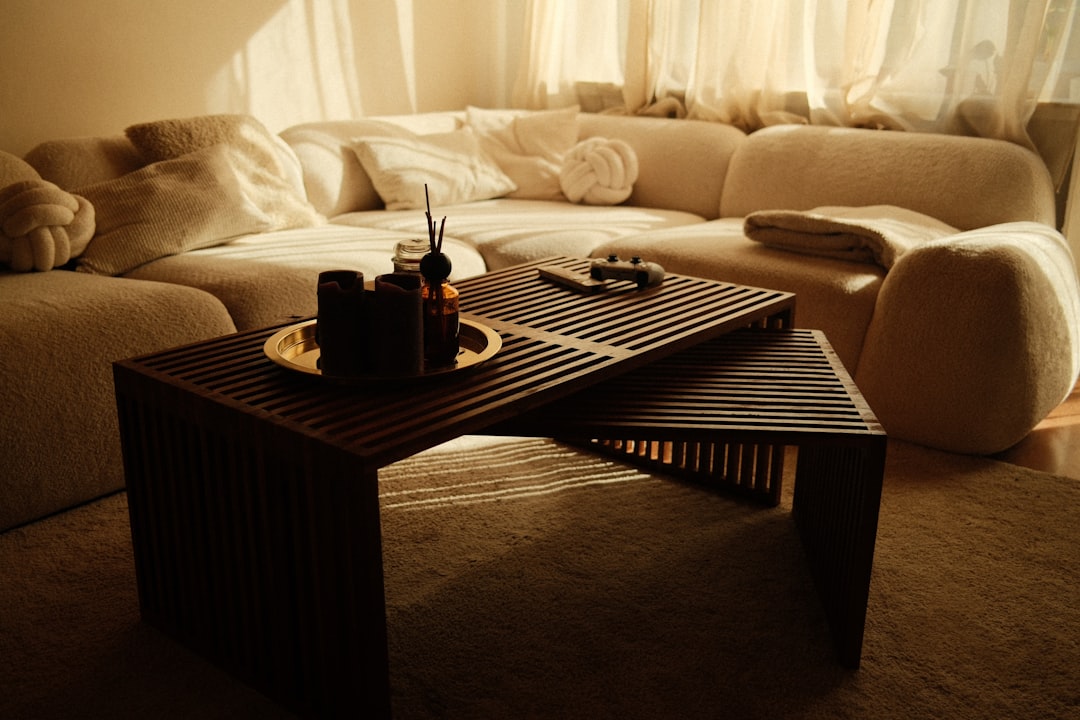
Picture the end: a warm, uncluttered home that works for daily life
Most people assume a cozy functional home requires expensive designer pieces or a complete makeover. In reality, the result you want—a welcoming space that supports cooking, relaxing, working, and guests—comes from clearer priorities, a few targeted purchases, and smarter organization. Below is a practical process that gets you that result without overspending.How to create a cozy functional home: a step-by-step process
Follow this order: decide what matters, edit everything, arrange flexible furniture, fix the light and texture, add focused storage, then finish with affordable accents. Each step includes quick actions you can do in an afternoon or stretch across a few weekends.1. Decide the three things you need each room to do
Start with function: write the top three activities for each room (example: living room — conversation, TV, workspace; bedroom — sleep, dressing, reading). These priorities guide furniture choices and layout so you don’t buy extras that don’t help.2. Edit before you shop: declutter by activity
Working from the functional list, remove items that don’t support the room’s main activities. Use three boxes: keep, donate/sell, and relocate. For duplicates—two salad bowls, three bedside lamps—keep the best, then let the rest go. Editing reduces the need for more storage and makes small spaces feel larger.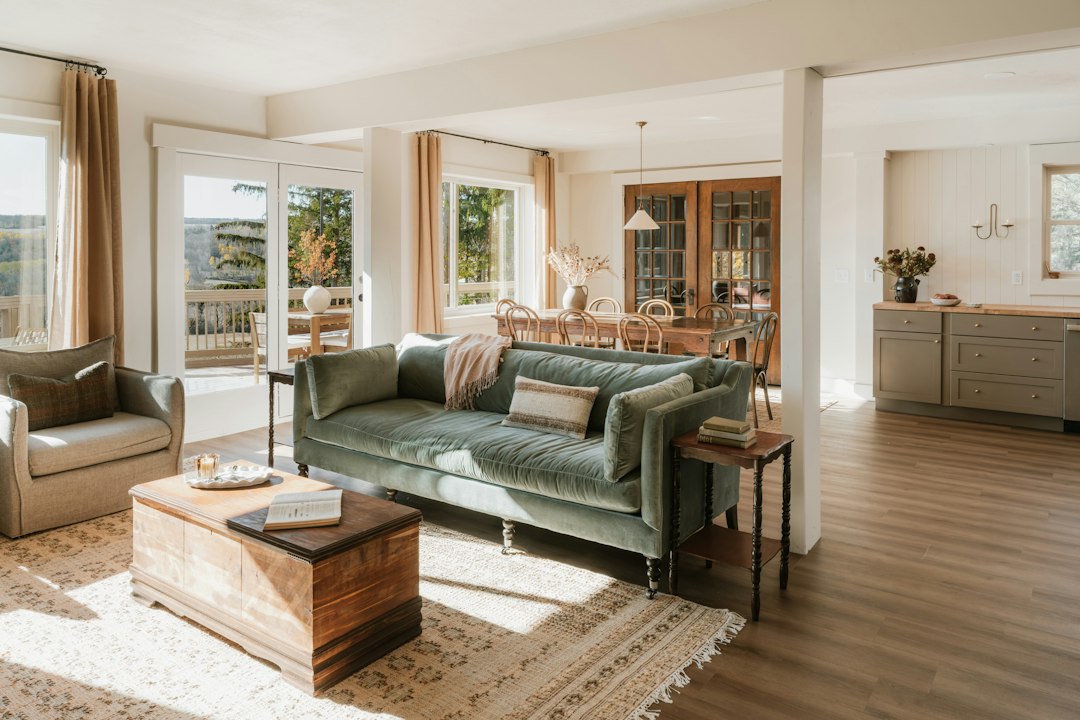
3. Choose multi-use furniture and set flexible zones
Prioritize pieces that pull double duty: storage ottomans, nesting tables, sleeper sofas, or a small desk that can double as a console. In open-plan rooms, use rugs or bookshelves to create visual zones rather than buying extra walls or bulky dividers. Trade-offs to consider: a smaller, well-chosen sofa plus a quality accent chair can be more useful and comfortable than a large sectional that limits layout options.4. Layer lighting and use warm bulbs
Good lighting changes a cheap space into a cozy one. Aim for three layers: ambient (overhead or large floor lamp), task (desk or reading lamps), and accent (table lamps, string lights). Replace cool fluorescents with warm (2700–3000K) bulbs; that single swap often has the biggest visual impact per dollar.5. Add texture intentionally—small textile investments go far
Affordable textiles create warmth: a soft throw on the sofa, a runner in a hallway, or a medium-pile rug under the coffee table. Pick neutral or limited-color palettes so inexpensive pieces coordinate. If you want a quick bedroom upgrade, a good pillow or duvet topper improves comfort dramatically. Why one pillow? A high-quality, adjustable pillow can change sleep quality and makes the bed—and the whole bedroom—feel like a purposeful, cozy zone without replacing larger items. Measure openings, rug sizes, and furniture dimensions before buying. A rug that’s too small or a sofa that won’t fit through the door is an avoidable cost and headache.6. Create smart, visible storage
Storage should make daily tasks easier, not hide a mess. Use open baskets for everyday items (blankets, magazines), clear containers for pantry staples, and drawer organizers for small items. Labeling reduces decision fatigue and keeps spaces usable. When possible, choose storage that is also decorative: woven baskets, attractive jars, or a bench with a shelf.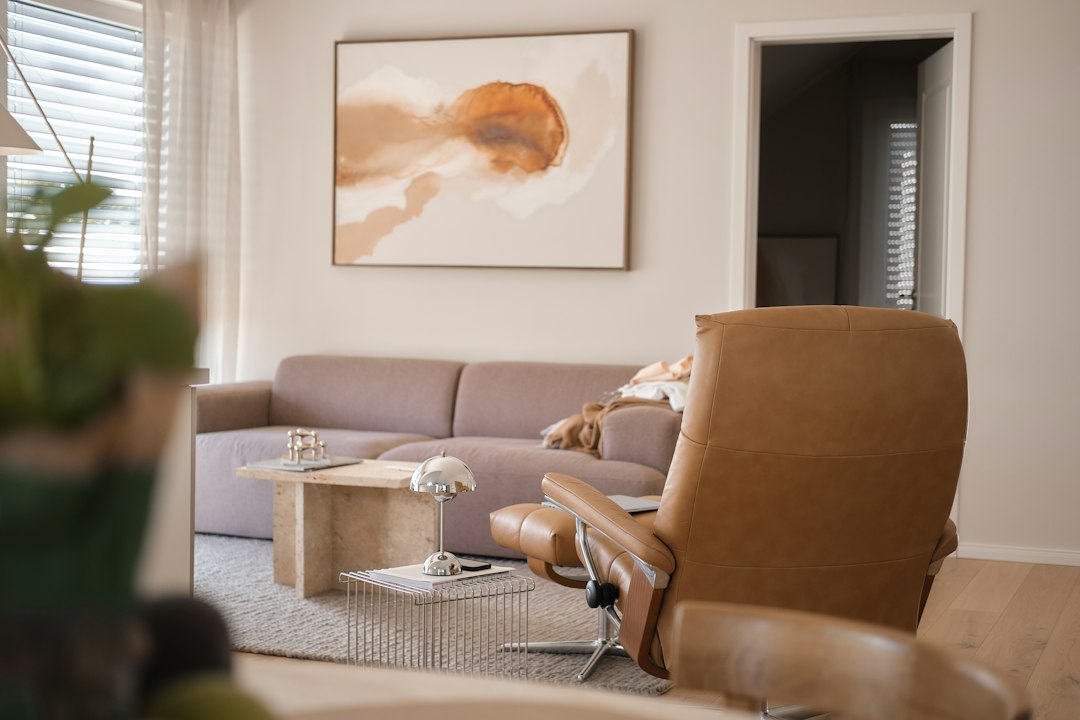
7. Shop smarter: secondhand, targeted splurges, and DIY
Three low-cost sourcing strategies:- Thrift and consignment: lamps, side tables, frames, and rugs often clean up beautifully.
- One targeted splurge: invest in the single item that affects daily comfort most (a mattress, sofa seat cushions, or a quality rug).
- DIY updates: paint old furniture, reupholster a seat cushion, or add new knobs to cabinets for a fresh look.
Troubleshooting: adapt these steps to common constraints
If you rent, use removable hooks and renter-friendly rugs; avoid built-in changes. In very small homes, maximize vertical space with shelves and hangables, and keep furniture on short legs so the floor shows—this visually expands the room. If your budget is tiny, focus on editing and lighting first; they shift the feel without big purchases.Next steps and practical checks
Start with one room and set a small deadline—an afternoon to declutter, a weekend to rearrange furniture, and a week to source one affordable textile or lamp. Small, staged wins keep costs down and build momentum.Room-by-room planning checklist
- List the top three activities for the room.
- Measure key dimensions and doorways before buying.
- Edit belongings with keep/donate/relocate boxes.
- Identify one multi-use furniture piece to add or repurpose.
- Swap at least one bulb to warm 2700–3000K lighting.
- Choose one storage solution that’s both visible and functional.
Practical takeaway
Creating a cozy functional home without overspending is a sequence: prioritize needs, remove what’s unnecessary, add flexible furniture, improve light and texture, then layer in storage and accents. Little, strategic investments beat scattershot shopping.