 Wishlist
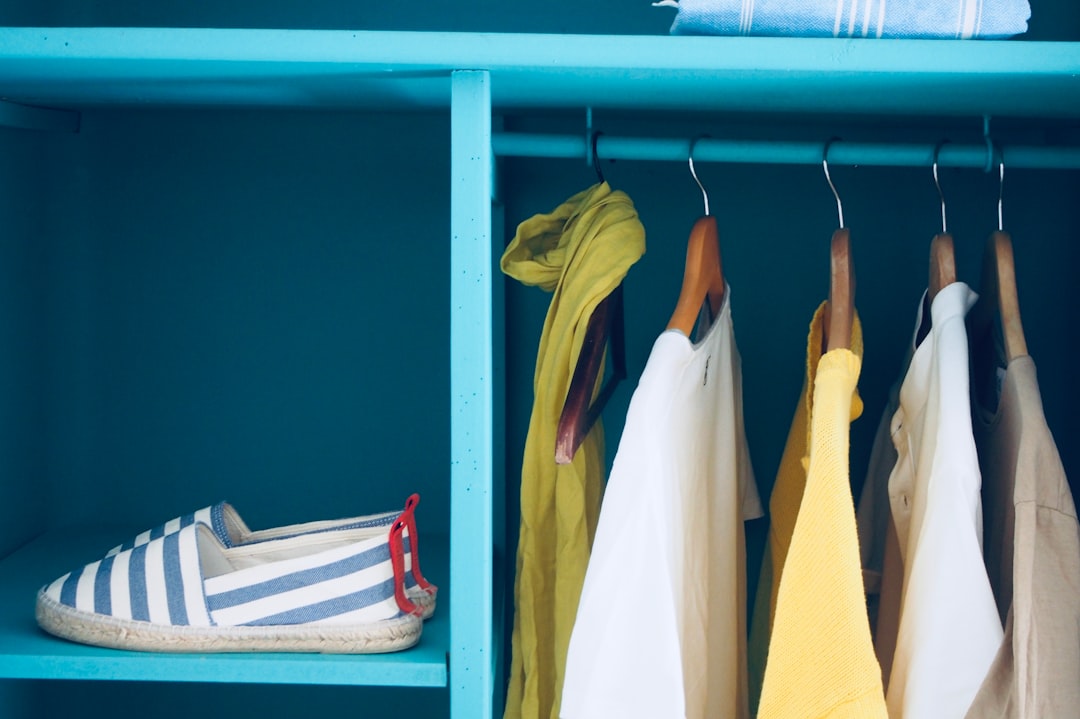
Start with a realistic end result in mind
You want a closet where you can see and reach what you wear most, keep off-season items out of the way, and close the door without a pile falling out. To organize your closet toward that goal, work in one clear sequence: empty and sort, clean and measure, zone the space, choose storage, implement routines, and maintain.
organize your closet: empty, sort, purge
Take everything out so you can evaluate pieces and the actual space. Lay items on your bed or floor and sort into four piles: keep (daily wear), seasonal, repair/alter, and donate/sell/toss. Be concrete: if you haven’t worn something in 12 months and it doesn’t fit or flatter, it goes into donate/sell.
Use quick decisions to avoid decision fatigue—handle each item once when possible. For sentimental pieces, limit yourself to a small box so memorabilia doesn’t clog usable space.
Clean and measure before buying anything
With the closet empty, vacuum or sweep, wipe shelves, and note hanging rod heights, shelf depths, and width between walls. Measure the full height and the distance from rod to floor: that tells you whether you can add a second hanging level, a shoe shelf, or require slim hangers.
Plan zones based on how you dress
Design the closet around daily routines, not perfect symmetry. A useful layout for most people:

- Everyday zone (eye-level): tops, jackets, daily dresses—most-accessible hangers.
- Lower zone: shoes and baskets for small items or gym gear.
- Short-hang section: shirts and folded pants on hangers—double-hang here to save vertical space.
- Long-hang section: dresses, coats and full-length garments.
- Top shelf: out-of-season items in labeled boxes or vacuum bags.
Choose the right storage for each zone
Match storage to the item: slim velvet hangers for shirts to save depth, clip hangers for skirts and trousers, clear shoe boxes or angled shoe shelves for footwear, and stackable fabric bins for sweaters that don’t need hanging. If you have limited hanging space, add a hanging organizer or a dresser-like unit.
For extra vertical storage, a 6-tier hanging closet organizer is a simple, low-commitment way to add shelves for sweaters or shoes.
For shopping inspiration, check closet organizers and compare styles before you buy: closet organizers.
[higher visual separation — first inline image follows the tools section]
How to fold and hang for maximum visibility
Folding: stack sweaters and heavy knits on shelves—folded items are easier to inspect when stacked by color and type. Use shelf dividers or bins to keep stacks from toppling. T-shirts can be rolled or folded; rolling saves space when placed into bins.
Hanging: group by category (jackets, shirts, pants) then by color from dark to light or by frequency (work, casual). Hang all hangers facing the same direction; when you wear something, return it hanger-first so the front-facing direction shows what’s been used.
Organize shoes and accessories so small things don’t clutter
Keep current-season shoes on open shelves or an accessible rack; store off-season shoes in clear boxes on the top shelf or under the bed. Use a slim over-the-door rack or wall hooks for belts and scarves, and a small divider tray in a drawer for jewelry and sunglasses. For ties and belts, low-profile hooks save drawer space and make selection faster.
Small closet solutions and rental-friendly options
If space is tight, use tension rods for a second hanging level and slim hangers to expand capacity. Over-the-door shoe pockets can hold accessories and shoes without hardware. Avoid drilling by choosing freestanding units or hanging organizers that attach to the closet rod.
Put a simple maintenance routine in place
Set one 10–15 minute weekly reset: return stray items, re-fold stacks, and move anything broken into a repair pile. Every three months, quick-audit: are you wearing everything you’re keeping? Keep a “donation bag” in the closet so decluttering happens in real time.
Troubleshooting common problems
Closet still feels cramped? Revisit the purge pile—reducing volume beats fancy organizers. If items slide off shelves, add shelf liners or bins. If you can’t reach the top shelf, store only truly infrequent items there in labeled boxes so you don’t need to search.
- Measure width, depth and hanging height before buying storage.
- Sort items into keep, seasonal, repair, donate right away.
- Zone the closet by frequency of use, not by color alone.
- Choose 1–2 versatile organizers (hanging shelf, shoe rack, bins).
- Set a weekly 10–15 minute reset and a seasonal audit.
Start by removing everything and measuring the empty space. Design zones for daily use and choose a small number of simple organizers to support those zones. Commit to short, regular maintenance so the closet stays functional.
How often should I reorganize my closet?
Do a quick reset every week and a deeper review each season (every 3–4 months) to rotate clothes and purge items you no longer wear.
What hangers save the most space?
Slim velvet hangers reduce bulk and prevent slipping; wooden hangers are sturdier but take more room—choose based on item weight and available depth.
How do I store delicate or sentimental items?
Use breathable fabric boxes or a small under-bed storage container and label clearly; keep delicate items away from pests and moisture.
What’s the best approach for small closets?
Double your hanging by adding a second rod, use vertical shoe organizers, and prioritize visible storage for the things you wear most.
How do I make a donation decision easier?
Use a wear-it-or-lose-it rule: if it hasn’t been worn in 12 months and doesn’t fit or suit your current life, donate or sell it.


