 Wishlist
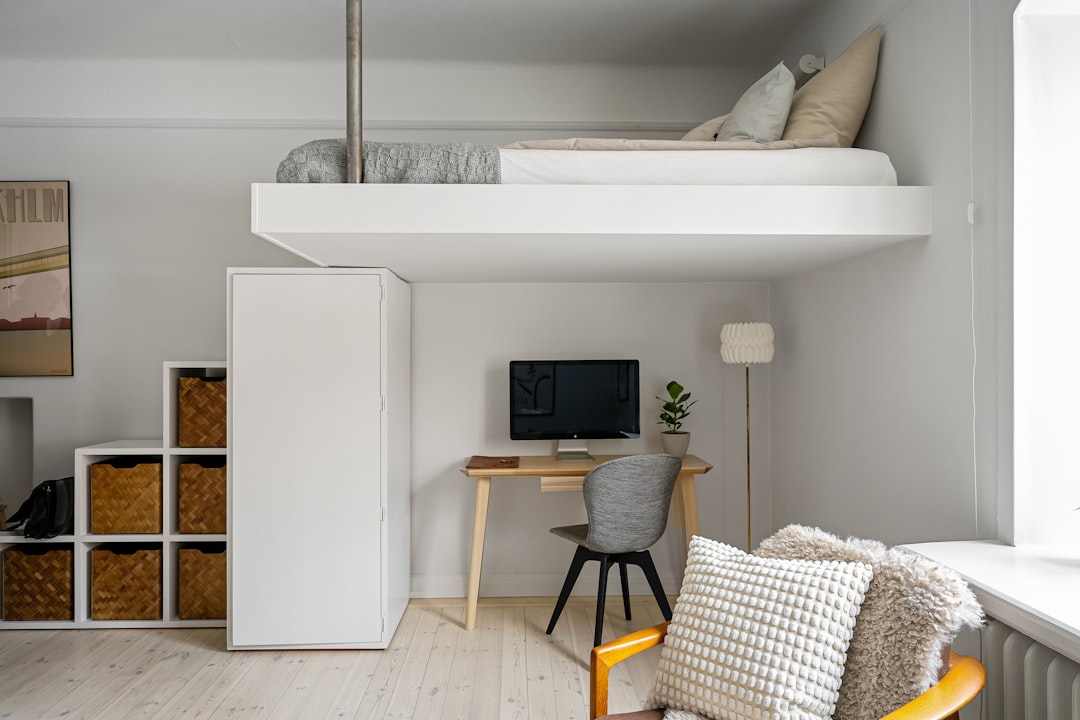
Smart storage ideas that actually free space (not just hide clutter)
Most people assume storage is about buying more boxes. In a small home or apartment, the smarter choice is rearranging how you use existing surfaces and cavities. These smart storage ideas focus on reclaiming dead space, pairing storage with function, and choosing a small number of multipurpose solutions that make everyday life easier.
1. Use vertical shelving to expand usable square footage
When floor space is scarce, go up. Narrow bookcases, floating shelves and tall cabinets give you storage without eating room. Reserve the lowest shelves for daily-use items and put seasonal or decorative bins higher up. Anchoring tall units to studs keeps them safe in rental and non-rental units alike.
2. Turn the back of doors into storage real estate
Over-the-door organizers work for shoes, cleaning supplies, toiletries and even pantry items. Opt for slim designs with pockets or hooks so the door still closes easily. For heavier items, use a simple over-door hook rail screwed into the door frame for extra strength.
3. Under-bed storage—don’t underestimate the depth
Under-bed space is ideal for bulky but infrequently used items: winter bedding, out-of-season clothes, or spare luggage. Choose low-profile rolling bins or zipbed vacuum bags to gain visibility and easy access. Measure clearance before buying to avoid mismatches.
4. Pick furniture that hides storage
Storage ottomans, beds with drawers, and benches with lift-up lids provide seats and flat surfaces while concealing belongings. In a studio, a sofa with hidden compartments can hold linens or tech accessories—choose upholstery with a neutral pattern to mask wear.
5. Create micro-zones with cube systems and bins
Cube shelves let you mix open display and closed storage using baskets or fabric bins. Assign a cube to a single category—mail, keys, charging, pet toys—so clutter doesn't migrate. Labeling bins is a small extra step that yields big returns.
6. Make closet interiors work harder
Double your hanging space with a second rod and use slim velvet hangers to maximize capacity. Add shelf dividers for sweaters and a hanging shoe organizer for small accessories. If the closet has wasted vertical height, stack clear bins so you can see what’s inside.
7. Install floating shelves above work and dining areas
Floating shelves above a desk or dining table provide storage without consuming walk space. Use them for cookbooks, plates, office supplies or small planters. Keep frequently used items within arm’s reach and decorative objects higher up.
8. Put corners to use with rotating or triangular storage
Corner cabinets, triangular shelf units and lazy susans transform dead angles into efficient storage. In small kitchens, a corner lazy susan makes pans and pots accessible; in living areas, corner shelving fits books, speakers and small lamps neatly.
9. Use slim, mobile carts as flexible storage
Rolling carts are a small apartment’s best friend. Use a narrow cart for spices and oils in the kitchen, for toiletries in the bathroom, or as a craft station that tucks into a closet when not in use. Locking casters keep contents stable when moved.
10. Hang vertically in the kitchen and bath
Magnetic strips for knives, pegboards for utensils, and hanging racks for pots free counter and cabinet space. In the bathroom, a slim wall-mounted cabinet above the toilet or recessed shelving in a shower niche can hold essentials without cluttering surfaces.
11. Use clear and labeled bins for visibility
Clear stackable bins let you see contents at a glance, reducing duplicate purchases and search time. Reserve opaque bins for items you want hidden, and add a clear label describing the category and season to speed retrieval.
12. Optimize entryways with multifunction racks
A slim console table with hooks or a wall-mounted pegboard organizes keys, mail, masks and everyday bags. A bench with shoe storage keeps the entry tidy and gives you a place to sit while putting shoes on.
13. Consolidate gadgets with a charging station
Create a dedicated charging hub to avoid device clutter across counters and tables. Use a small drawer with cord access or a tabletop docking station so devices and chargers have a single home instead of loose cables everywhere.
14. Think temporary when you need flexibility
Folding tables, nesting furniture, and stackable chairs let you expand seating or work surfaces quickly and store them compactly when not in use. For renters, tension-rod shelving in closets and removable adhesive hooks provide temporary structure without damage.
15. Declutter with a regular “small wins” routine
Storage is easier to maintain in small spaces. Schedule 10–15 minutes weekly to return items to their homes, consolidate partial packages, and move things back to their zones. Those short, consistent sessions prevent the need for big overhauls.
Quick recap: where to start today
- Measure vertical clearances and under-bed height before buying storage.
- Prioritize one multipurpose furniture piece (ottoman, bed with drawers, bench).
- Consolidate similar items into labeled clear bins for visibility.
- Create a single charging station and an entry drop zone to stop daily drift.
- Measure key clearances: closet height, under-bed gap, door depths.
- Pick one vertical shelving or floating shelf for high-impact storage.
- Choose a hidden-storage furniture piece that fits your main living area.
- Buy 2–4 clear stackable bins with labels for seasonal items.
- Set a 10-minute weekly tidy appointment in your calendar.
Smart storage is less about filling space and more about reorganizing it: use vertical surfaces, make furniture work harder, and create visible homes for everyday items. Small, repeatable habits keep those gains lasting.
What’s the easiest way to add storage in a rental?
Use freestanding tall shelves, over-the-door organizers and removable adhesive hooks; these add capacity without permanent changes. Tension rods and rolling carts are also renter-friendly.
How do I choose between clear vs. opaque storage bins?
Use clear bins where quick identification matters (seasonal clothes, accessories) and opaque bins where appearance or privacy matters; always label both types.
Are multipurpose furniture pieces worth the cost?
Yes, if they replace two pieces (for example, a bench plus storage or a sofa with hidden compartments) because they save floor space and reduce visual clutter.
How can I make a tiny kitchen feel less cluttered?
Move rarely used appliances to upper shelves or a pantry, install magnetic strips and hooks, and use a narrow rolling cart for overflow items to keep counters clear.


