Wishlist
Quick answer: pick the best coffee maker by matching the machine to how you actually make mornings work
The single most useful way to choose the best coffee maker is to start with your routine: how many cups you drink, how much hands-on time you want, whether you prioritize speed or flavor, and how much counter and cleaning you’ll tolerate. Once you’ve defined that, choose a brew style (drip, single-serve pod, pour-over/kettle, or espresso) and then pick a model that fits capacity, programmability, water source, and maintenance needs.
What actually matters when choosing the best coffee maker
Before you look at brands or features, decide on five practical priorities. Treat them as filters that eliminate options rather than features to accumulate.
- Daily volume: single cup, 1–2 people, or family/office? Capacity rules everything—single-serve machines for one cup, 8–12 cup drip makers for households.
- Hands-on vs. automatic: do you want push-button convenience or are you willing to do manual pour-over or tamp-and-steam for espresso?
- Speed and schedule: programmable or fast-brew if mornings are rushed; manual pour-over or espresso takes more time.
- Flavor priority: espresso/pod machines and manual pour-over give more control; standard drip is consistent and good with freshly ground beans.
- Cleaning and space: removable reservoirs and dishwasher-safe parts reduce daily friction; large machines may not fit small kitchens.
Match brew style to morning goals
Choose the brew style that aligns with the priorities above.
Drip coffee makers — best for multi-cup households and low-effort mornings
Why choose this: Makes several cups at once, programmable timers, simple maintenance. When it wins: you want hot coffee waiting when you wake, you serve more than one person, or you refill a travel thermos.
Trade-offs: Less control over extraction than pour-over; flavor depends heavily on water temperature and grind freshness.
Single-serve pod machines — best for variety and speed for one person
Why choose this: Fast, minimal mess, wide flavor options via pods. When it wins: you drink one cup, want consistent results with no measuring, or share a kitchen with people who want different drinks.
Trade-offs: Ongoing pod cost, waste considerations, limited capacity for large mugs unless specified.
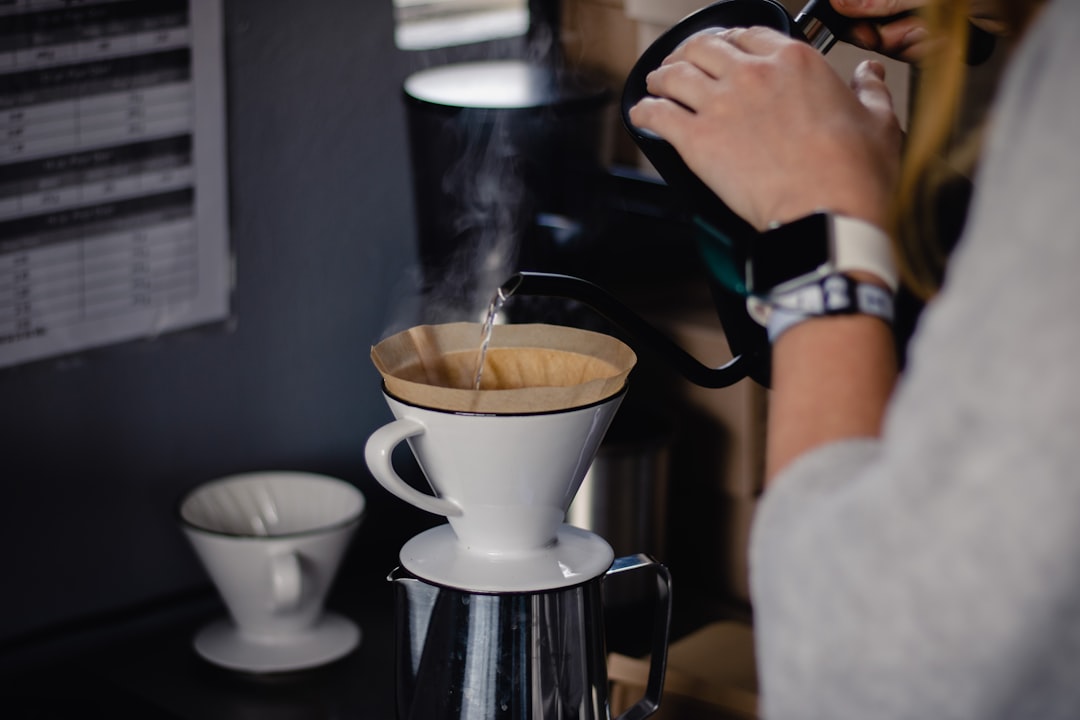
Pour-over with kettle — best for flavor-minded solo drinkers who like ritual
Why choose this: Maximum control over extraction, easy to store, great flavor from freshly ground beans. When it wins: you enjoy the brewing ritual and can spare a few minutes each morning.
Trade-offs: Hands-on, inconsistent results for beginners, requires separate kettle (preferably a gooseneck for control).
Espresso machines — best for espresso, cappuccinos and lovers of coffee shop-style drinks
Why choose this: Espresso and milk-based drinks at home, strong concentrated coffee. When it wins: you drink espresso-style beverages daily and want milk steaming or automatic milk frothing.
Trade-offs: Higher price, more counter space, learning curve and regular cleaning.
Key features to check after you pick a brew style
These are the practical details that differentiate similar machines.
- Capacity and carafe type: thermal carafes keep coffee hot longer without a hot plate—choose thermal if you brew once for several hours.
- Programmability and timers: look for 24-hour programming and auto-shutoff if you like coffee ready in the morning or safety features for long days away.
- Water filtration and reservoir: a removable reservoir makes refilling and cleaning easier; built-in filters improve taste where tap water is harsh.
- Grind compatibility: some machines work best with medium grind (drip) while espresso requires fine grind and a good grinder—consider an integrated or paired grinder if fresh flavor matters.
- Temperature control: higher temps (195–205°F) extract better; machines that advertise precise temperature control usually produce better flavor.
- Cleaning access: dishwasher-safe baskets, descaling alerts, and easily removable drip trays cut maintenance time.
- Footprint and noise: measure counter space and note how loud the machine is if you share the kitchen early in the morning.
How to choose by common morning routines (use-case guide)
Match your personal routine to the recommendation below to make a single sensible purchase decision.
Routine A — "I want coffee ready when I wake" (busy, low-effort)
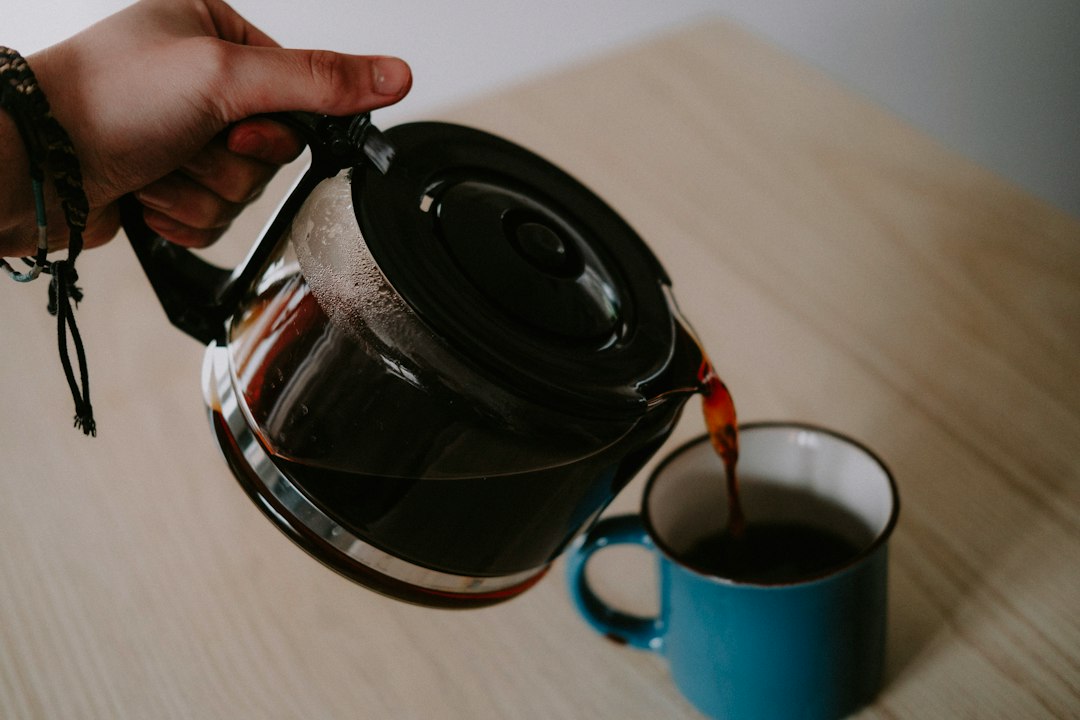
Choose: Programmable drip coffee maker with a thermal carafe and 8–12 cup capacity. Look for a 24-hour timer, auto-brew, and a removable reservoir for easy filling. These models require little daily effort and deliver multiple cups without rebrewing.
Routine B — "One cup, different flavors, fastest possible" (solo, variety)
Choose: Single-serve pod machine with a tall-mug option and adjustable cup sizes. Pods are quick and clean; pick models with a removable drip tray for travel mugs and descaling alerts if you have hard water.
Routine C — "I want café-quality espresso and milk drinks" (enthusiast)
Choose: Either a reliable semi-automatic espresso machine with a steam wand and a separate burr grinder, or an automatic machine with built-in grinder and milk frother if you prefer hands-off convenience. Factor in counter space and a regular cleaning routine.
Routine D — "I enjoy the ritual and flavor control" (manual brewer)
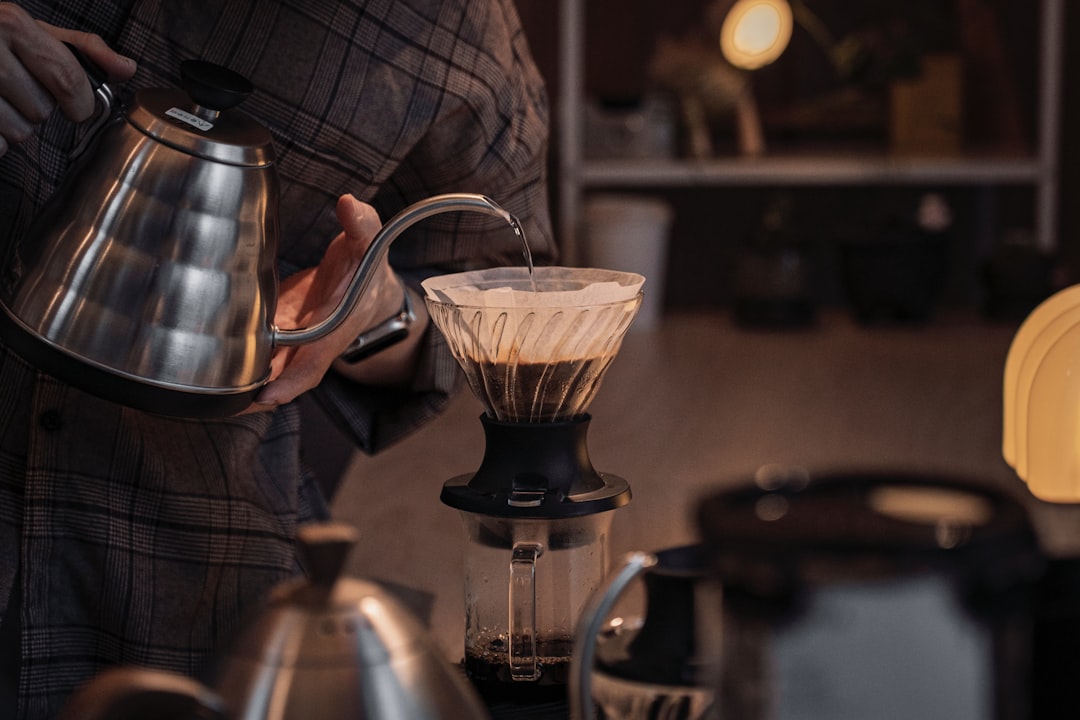
Choose: Pour-over setup with a gooseneck kettle, scale, and a burr grinder for consistent results. This is a low-cost path to excellent coffee but requires time and practice each morning.
Small practical tests to run before you commit
When shopping, either online or in-store, use these quick checks to avoid buyer’s remorse:
- Check the actual water reservoir opening—will it clear your sink faucet?
- Confirm the carafe fits under the machine and into your fridge if you store coffee there.
- Open filter baskets and drip trays to see how easy they are to remove and clean.
- Read the maintenance schedule for descaling and replacement parts (filters, seals).
Final decision help: one sensible pick for most readers
If you want a single recommendation that covers the widest set of morning routines, a programmable 10–12 cup drip machine with a thermal carafe and a removable reservoir is the most practical choice. It serves singles who refill a mug, couples, and small families, requires minimal daily hands-on time, and usually costs less than espresso systems while delivering reliably good coffee when paired with freshly ground beans.
- Decide how many cups you need before breakfast starts.
- Choose brew style: drip, single-serve, pour-over, or espresso.
- Confirm reservoir access, carafe type, and counter footprint.
- Look for programmability if you want coffee ready on a schedule.
- Check cleaning steps and availability of replacement parts/filters.
- Pair with a grinder if you prioritize fresh coffee flavor.
Start with your morning behavior—volume, time, and how much hands-on work you’ll tolerate. From there, select a brew style and then prioritize capacity, programmability and ease of cleaning. For most households, a programmable drip machine with a thermal carafe offers the best balance of convenience and value.
Is a burr grinder necessary?
Yes if you care about flavor: a burr grinder produces a consistent grind size, which significantly improves extraction compared with blade grinders.
Do pod machines make worse coffee?
Pods are convenient and can taste very good, but they limit bean choice and are typically more expensive per cup; quality varies by pod and machine.
How often should I descale my machine?
Frequency depends on water hardness and use; many manufacturers recommend every 2–3 months for regular use or sooner with hard water.
Can I get café-quality drinks without an espresso machine?
You can make high-quality drip and pour-over coffee that rivals cafés, but true espresso extraction and microfoam require an espresso machine and practice.
Which feature improves coffee taste most?
Freshly ground beans and correct water temperature/extraction matter most; a good grinder plus proper brew temperature will improve taste more than brand-name models alone.